Elbow pain and hand numbness can make patients worry about a cervical disc problem, spinal cord compression or stroke. Teresa Shen explains common peripheral nerve entrapments, how they differ from serious neurological conditions, and why proper examination should come before fear or treatment.
> View articleCategory: Nerve-related Conditions
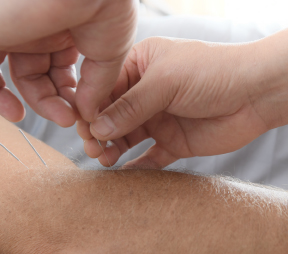
The patient’s neck and arm pain and finger numbness had almost completely resolved. However, the earlier C6 sensory pattern, cough-provoked symptoms and reduced right brachioradialis reflex still required an explanation. Why did successful treatment not complete the diagnosis?
> View article
A growing collection of Teresa Shen’s real clinical cases, documenting how patient history, physical examination, Chinese medicine diagnosis, treatment selection and reassessment guide her approach to acupuncture and injury management.
> View article
Once clinicians form an initial diagnosis, it is natural to notice evidence that supports it. But some of the most valuable clinical clues are the findings that do not fit. A shoulder pain case prompted Dr Win Huang to reflect on diagnostic closure, contradictory evidence and the importance of challenging our own clinical framework.
> View article
After only forty minutes in one position, a patient noticed numbness and stiffness. It was a simple reminder that the human body depends on movement to maintain normal function.
> View article
Shoulder pain, restricted movement, local tenderness and an ultrasound abnormality appeared to form a complete diagnosis. However, several examination findings did not fit. Those inconsistencies became the reason to look beyond the shoulder.
> View article
There is no single acupuncture formula for lower back pain. Teresa Shen explains how she first identifies the likely pain source and reversible factors, then uses clinical assessment and TCM differentiation to choose an individual treatment approach.
> View article
A patient with five years of lateral knee pain had several structural abnormalities on imaging. His symptoms and movement nevertheless changed during treatment. This case explores why recognising irreversible changes should not stop us looking for factors that may still improve.
> View article
A healthy peripheral nerve is designed to move and adapt as the body moves. When its mechanical environment changes, symptoms may progress from pain and tingling to persistent numbness, sensory loss and weakness. These symptoms can provide important clues about nerve irritation and impairment.
> View article
A young patient came expecting cervical manipulation after an X-ray suggested a neck problem. Re-examination pointed instead toward ulnar nerve irritation at the elbow—a reminder that treatment should follow assessment, not labels.
> View article


 中文微信:nzacupunctureclinic