Elbow pain and hand numbness can make patients worry about a cervical disc problem, spinal cord compression or stroke. Teresa Shen explains common peripheral nerve entrapments, how they differ from serious neurological conditions, and why proper examination should come before fear or treatment.
> View article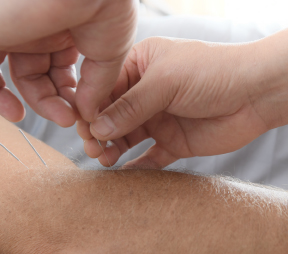
The patient’s neck and arm pain and finger numbness had almost completely resolved. However, the earlier C6 sensory pattern, cough-provoked symptoms and reduced right brachioradialis reflex still required an explanation. Why did successful treatment not complete the diagnosis?
> View article
Elbow pain is not always tennis elbow. It may come from muscles and tendons, nerve irritation, the neck, inflammatory conditions or referred pain. Teresa Shen explains five possible sources of elbow pain, their clinical features and when to seek further medical assessment.
> View article
When a patient improves, it is natural to believe that the diagnosis and treatment were correct. But treatment response may reflect several factors. Dr Win Huang considers why successful outcomes should sometimes lead to more questions, not fewer.
> View article
Heel pain is not always plantar fasciitis. First-step morning pain, the location of tenderness, numbness or burning, and the response to weight-bearing can all provide important clues. Teresa Shen shares how she assesses plantar fasciitis and what she has learned from treating persistent heel pain.
> View article
A woman continued to experience severe back and leg symptoms months after a two-week hospital stay. Reassessment identified significant muscular findings, and her function improved over several treatments. This case explores why the original cause of pain and the factors maintaining it may not be the same.
> View article
Foot pain does not always begin with an injury. Where the pain occurs, which movements reproduce it, whether it burns or feels numb, and whether swelling or colour changes are present can all provide important clues. Teresa Shen explains how she approaches foot pain without an obvious injury.
> View article
A patient with frozen shoulder symptoms for nearly six months shares their experience after five treatments with Teresa Shen, reporting noticeable improvement in arm movement.
> View article
A dedicated collection of real patient feedback about treatment with Teresa Shen, including Google Reviews, written comments, photos and video testimonials.
> View article
A growing collection of Teresa Shen’s real clinical cases, documenting how patient history, physical examination, Chinese medicine diagnosis, treatment selection and reassessment guide her approach to acupuncture and injury management.
> View article


 中文微信:nzacupunctureclinic