Elbow pain and hand numbness can make patients worry about a cervical disc problem, spinal cord compression or stroke. Teresa Shen explains common peripheral nerve entrapments, how they differ from serious neurological conditions, and why proper examination should come before fear or treatment.
Blog
This section shares clinical insights, real patient cases, and a deeper understanding of how pain and dysfunction develop.
Many conditions do not improve because the true cause is not correctly identified — not because they are difficult to treat.
Our goal is to help you see your condition more clearly, understand the real mechanism behind it, and find a more effective path to recovery.
👉 Not sure which category fits your condition?
Book a consultation and we will assess it properly.
👉 Book Appointment
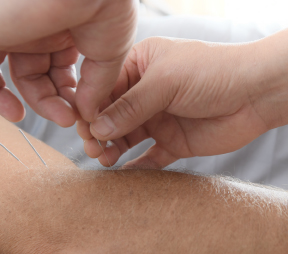

The patient’s neck and arm pain and finger numbness had almost completely resolved. However, the earlier C6 sensory pattern, cough-provoked symptoms and reduced right brachioradialis reflex still required an explanation. Why did successful treatment not complete the diagnosis?
Elbow pain is not always tennis elbow. It may come from muscles and tendons, nerve irritation, the neck, inflammatory conditions or referred pain. Teresa Shen explains five possible sources of elbow pain, their clinical features and when to seek further medical assessment.

When a patient improves, it is natural to believe that the diagnosis and treatment were correct. But treatment response may reflect several factors. Dr Win Huang considers why successful outcomes should sometimes lead to more questions, not fewer.
Heel pain is not always plantar fasciitis. First-step morning pain, the location of tenderness, numbness or burning, and the response to weight-bearing can all provide important clues. Teresa Shen shares how she assesses plantar fasciitis and what she has learned from treating persistent heel pain.

A woman continued to experience severe back and leg symptoms months after a two-week hospital stay. Reassessment identified significant muscular findings, and her function improved over several treatments. This case explores why the original cause of pain and the factors maintaining it may not be the same.

Foot pain does not always begin with an injury. Where the pain occurs, which movements reproduce it, whether it burns or feels numb, and whether swelling or colour changes are present can all provide important clues. Teresa Shen explains how she approaches foot pain without an obvious injury.
A patient with frozen shoulder symptoms for nearly six months shares their experience after five treatments with Teresa Shen, reporting noticeable improvement in arm movement.
A dedicated collection of real patient feedback about treatment with Teresa Shen, including Google Reviews, written comments, photos and video testimonials.
A growing collection of Teresa Shen’s real clinical cases, documenting how patient history, physical examination, Chinese medicine diagnosis, treatment selection and reassessment guide her approach to acupuncture and injury management.
Once clinicians form an initial diagnosis, it is natural to notice evidence that supports it. But some of the most valuable clinical clues are the findings that do not fit. A shoulder pain case prompted Dr Win Huang to reflect on diagnostic closure, contradictory evidence and the importance of challenging our own clinical framework.
After only forty minutes in one position, a patient noticed numbness and stiffness. It was a simple reminder that the human body depends on movement to maintain normal function.
Dr Huang’s Clinical Reflections brings together thoughts developed through more than 40 years of practice. The series explores clinical judgment, medical experience, patient care and the questions that continue to shape how Dr Win Huang understands medicine.
Follow Dr Win Huang through real clinical cases and see how the patient’s history, pain pattern, physical findings and response to treatment are brought together. This series focuses not on fixed treatment formulas, but on the clinical reasoning behind assessment and treatment decisions.
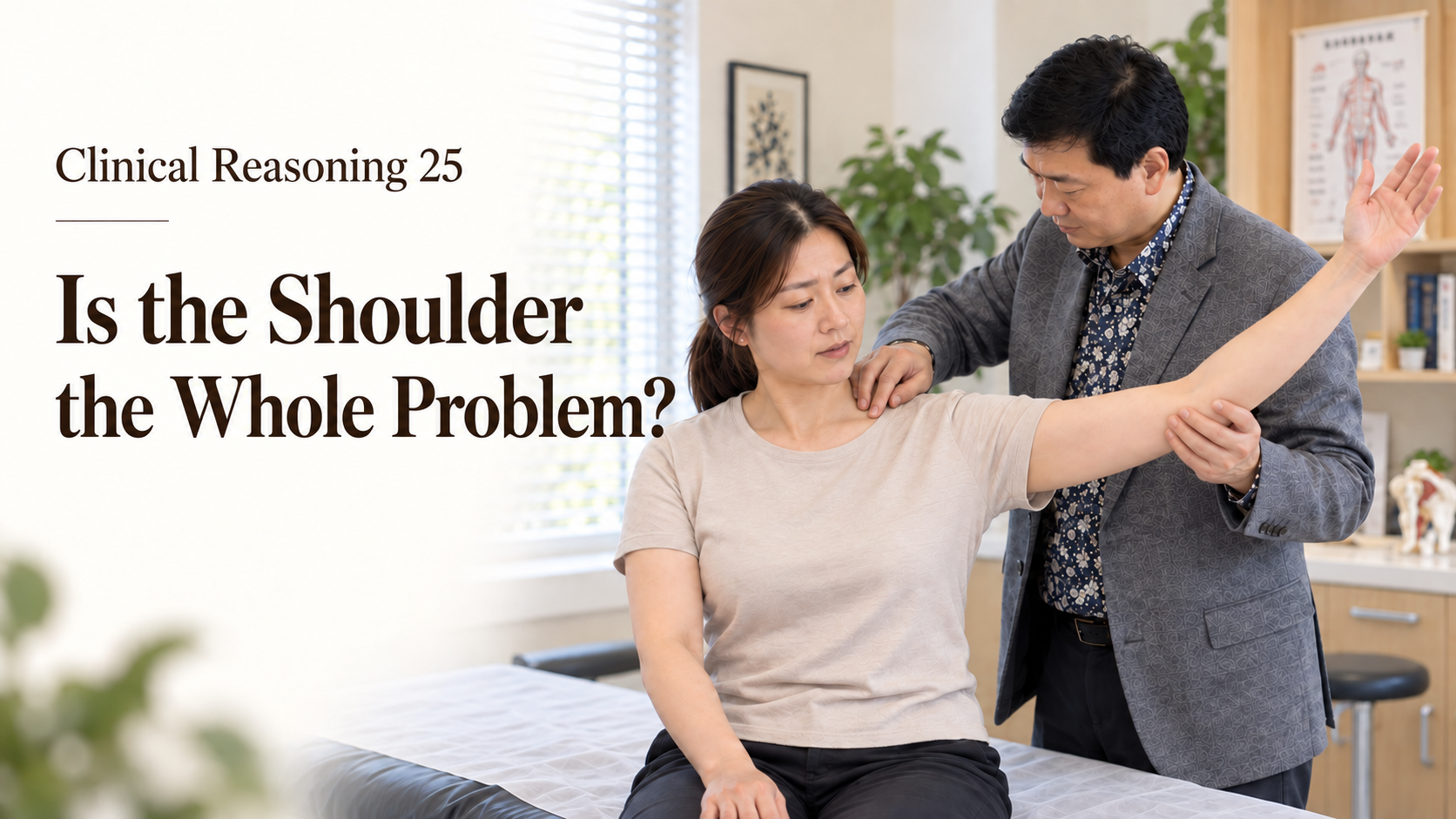
Shoulder pain, restricted movement, local tenderness and an ultrasound abnormality appeared to form a complete diagnosis. However, several examination findings did not fit. Those inconsistencies became the reason to look beyond the shoulder.
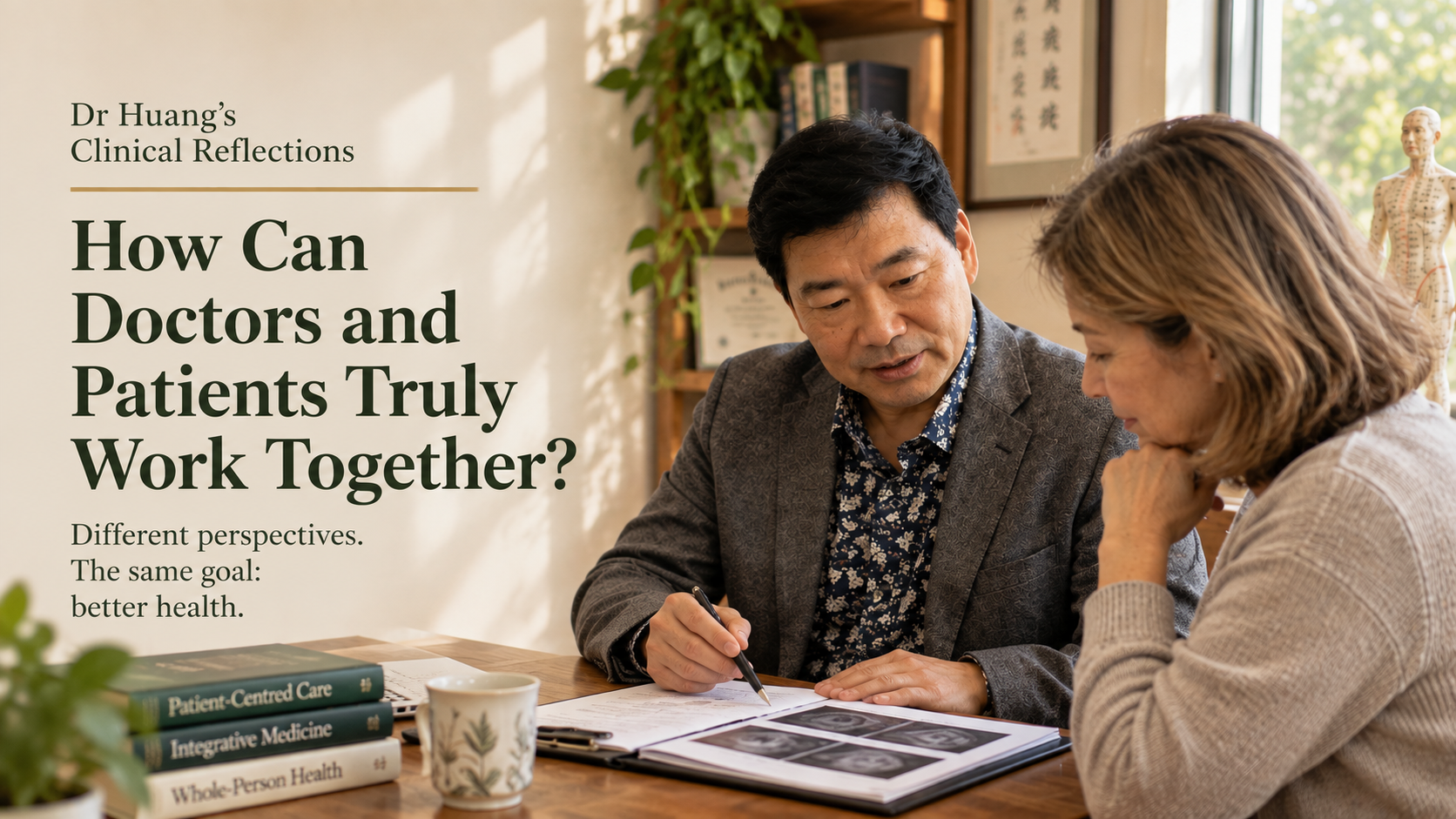
Doctors and patients ultimately want the same thing: improvement. But they may understand disease, recovery, testing and treatment very differently. Good clinical care requires both professional integrity and meaningful patient participation.
Some people struggle to describe their nighttime leg discomfort: it is not quite pain, numbness or cramping, but they feel an irresistible need to move. Teresa Shen discusses when this pattern may suggest Restless Legs Syndrome, what else needs to be considered, and how Chinese medicine differentiates individual presentations.

Lower back pain may be easy to feel, but its cause and recovery are not always easy to judge. Teresa Shen discusses seven issues patients often overlook, including residual problems after pain settles, MRI findings, long-term physical load, sudden triggers and signs that require further assessment.



 中文微信:nzacupunctureclinic