After years of independent practice, almost every clinician develops a personal clinical framework. The challenge for an experienced doctor is not simply to build that framework, but to recognise its limitations and remain open to evidence outside it.
> View article
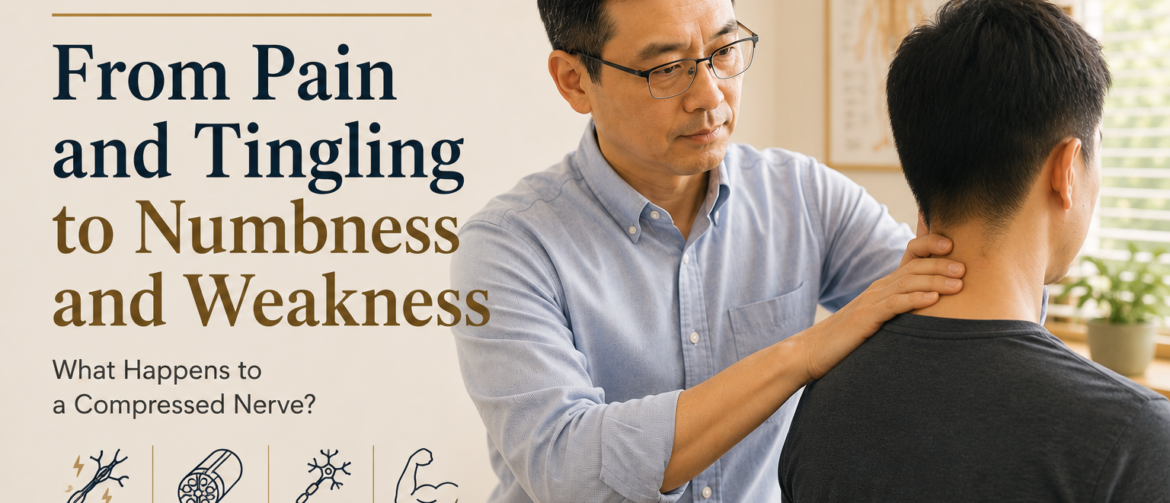
A healthy peripheral nerve is designed to move and adapt as the body moves. When its mechanical environment changes, symptoms may progress from pain and tingling to persistent numbness, sensory loss and weakness. These symptoms can provide important clues about nerve irritation and impairment.
> View article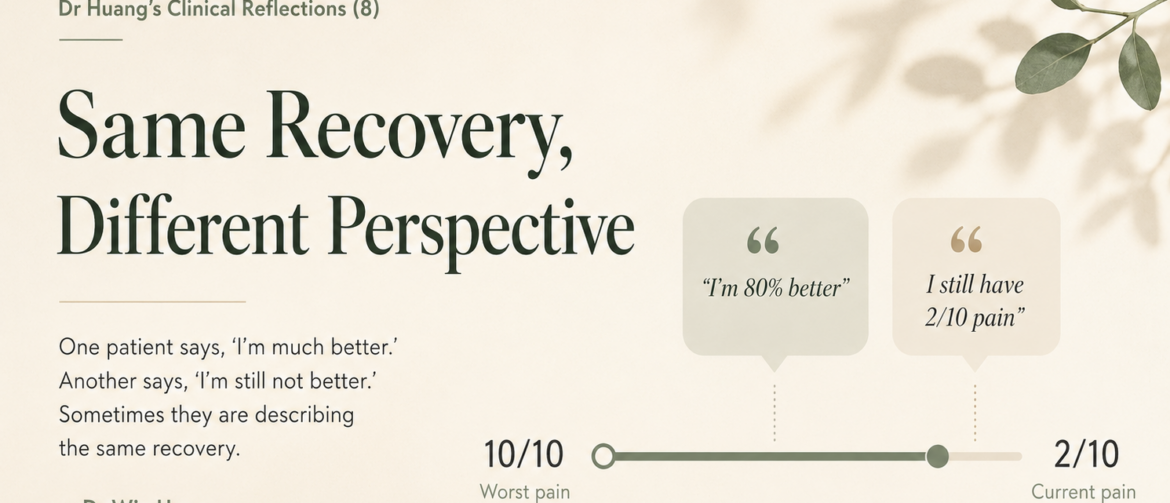
A patient who improves from 10/10 pain to 2/10 can say either “I’m 80% better” or “I still have pain.” Both are true. The difference is where attention is placed.
> View article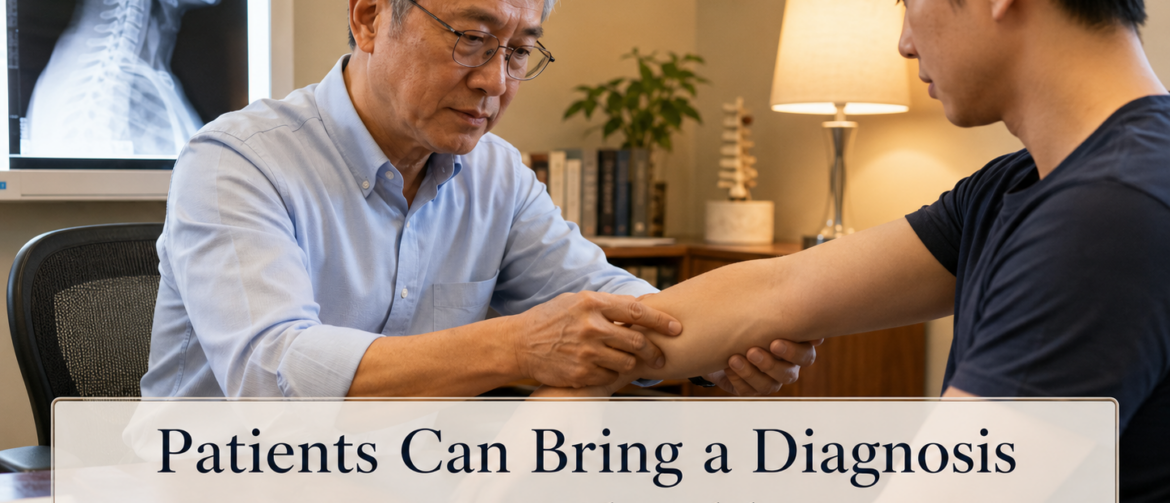
A young patient came expecting cervical manipulation after an X-ray suggested a neck problem. Re-examination pointed instead toward ulnar nerve irritation at the elbow—a reminder that treatment should follow assessment, not labels.
> View article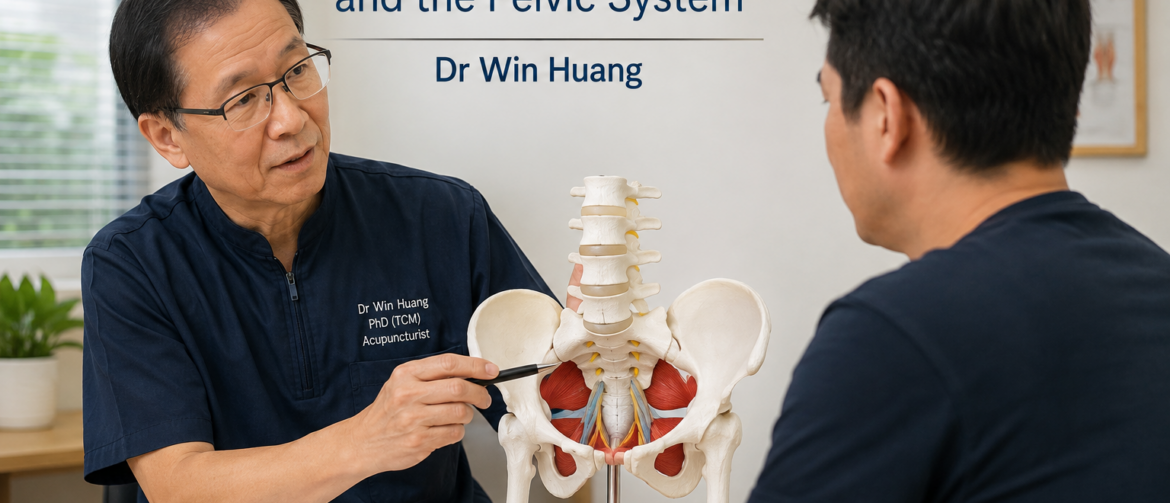
Why can urinary frequency improve with manual therapy, acupuncture, Chinese medicine or pelvic floor rehabilitation? The answer may lie in different treatments acting on different parts of the same clinical chain.
> View article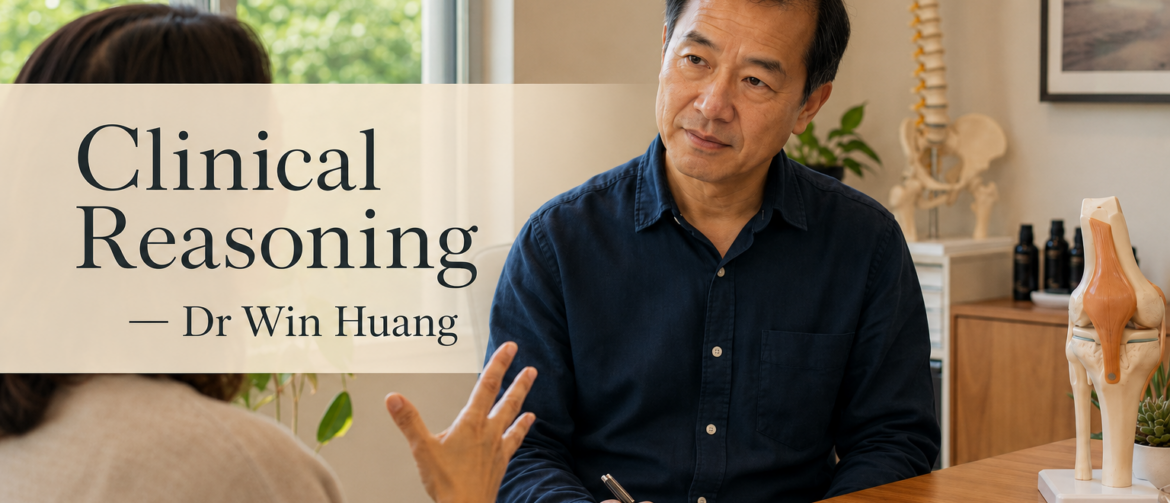
Patients bring symptoms, not diagnoses. Good clinical reasoning means turning those symptoms into clues, forming hypotheses, testing them through history and examination, ruling out alternatives and continually reassessing the evidence.
> View article
We often say that good health means following the body’s natural rhythms. But what does that actually mean? Dr Win Huang reflects on homeostasis, recovery, compensation and physiological reserve—and why the consequences of insufficient recovery may only become apparent years later.
> View article
MRI, X-ray and ultrasound showed extensive abnormalities in this patient’s painful knee, including meniscal damage, cartilage loss and osteoarthritis. Yet his symptoms and clinical examination told a more complicated story. Dr Win Huang reflects on an important question: when treating chronic knee pain, what are we actually trying to change?
> View article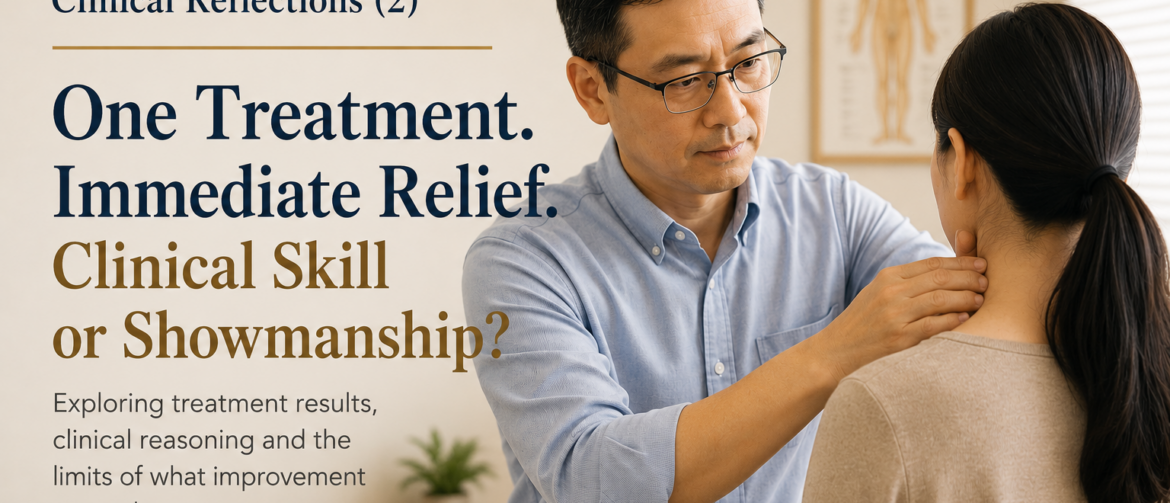
When pain disappears after one treatment, the result may be genuine—but what does it actually prove? Dr Win Huang reflects on immediate treatment responses, clinical reasoning and why doctors must distinguish real outcomes from explanations that go beyond the evidence.
> View article
Lateral Knee Pain for More Than One Year — But Was It Really Bursitis? Yesterday I saw a patient who had been suffering from lateral knee pain for over a year. An ultrasound report suggested bursitis. But during the examination, I felt that something did not completely fit the picture of a simple local knee […]
> View article


 中文微信:nzacupunctureclinic