Once clinicians form an initial diagnosis, it is natural to notice evidence that supports it. But some of the most valuable clinical clues are the findings that do not fit. A shoulder pain case prompted Dr Win Huang to reflect on diagnostic closure, contradictory evidence and the importance of challenging our own clinical framework.
> View article

After only forty minutes in one position, a patient noticed numbness and stiffness. It was a simple reminder that the human body depends on movement to maintain normal function.
> View article
Dr Huang’s Clinical Reflections brings together thoughts developed through more than 40 years of practice. The series explores clinical judgment, medical experience, patient care and the questions that continue to shape how Dr Win Huang understands medicine.
> View article
Follow Dr Win Huang through real clinical cases and see how the patient’s history, pain pattern, physical findings and response to treatment are brought together. This series focuses not on fixed treatment formulas, but on the clinical reasoning behind assessment and treatment decisions.
> View article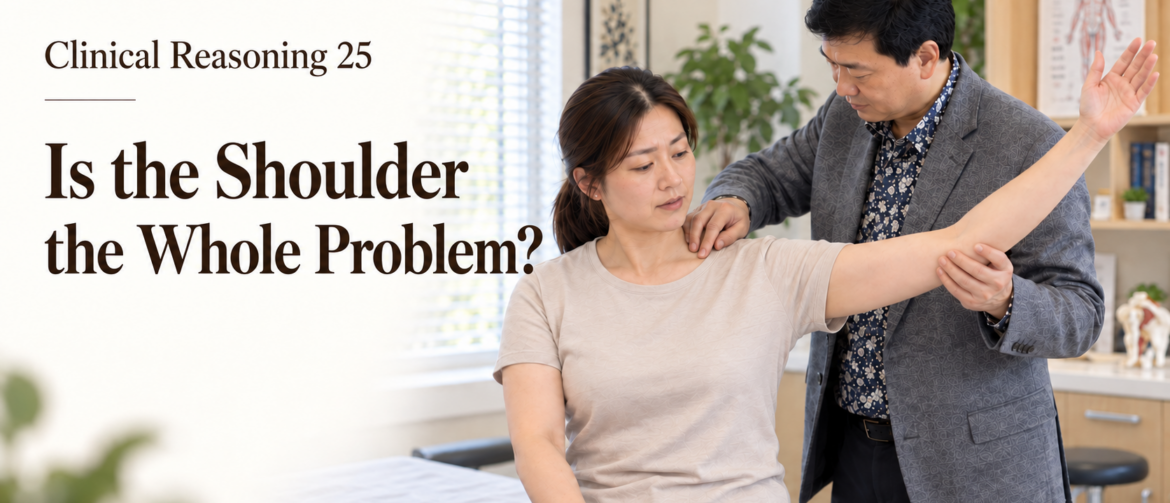
Shoulder pain, restricted movement, local tenderness and an ultrasound abnormality appeared to form a complete diagnosis. However, several examination findings did not fit. Those inconsistencies became the reason to look beyond the shoulder.
> View article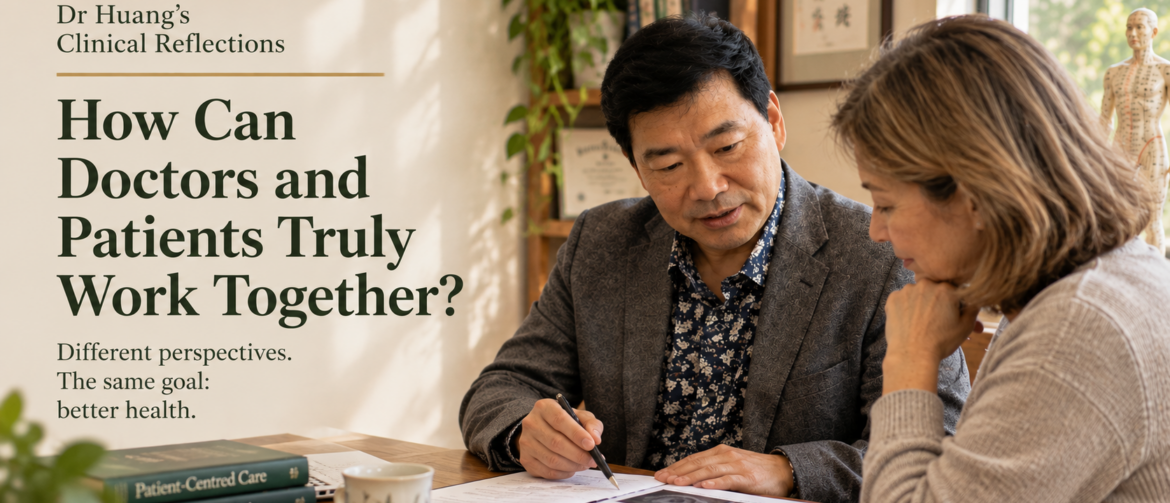
Doctors and patients ultimately want the same thing: improvement. But they may understand disease, recovery, testing and treatment very differently. Good clinical care requires both professional integrity and meaningful patient participation.
> View article
Some people struggle to describe their nighttime leg discomfort: it is not quite pain, numbness or cramping, but they feel an irresistible need to move. Teresa Shen discusses when this pattern may suggest Restless Legs Syndrome, what else needs to be considered, and how Chinese medicine differentiates individual presentations.
> View article
Lower back pain may be easy to feel, but its cause and recovery are not always easy to judge. Teresa Shen discusses seven issues patients often overlook, including residual problems after pain settles, MRI findings, long-term physical load, sudden triggers and signs that require further assessment.
> View article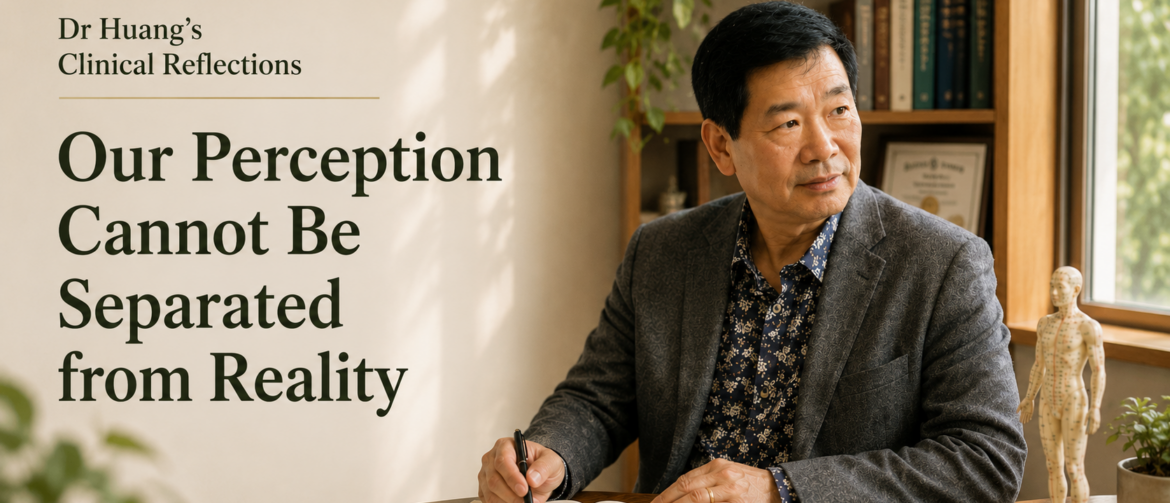
Mental strength matters, but believing that we are healthy, young or physically ready does not make it biologically true. Dr Win Huang reflects on why our understanding of ourselves must remain grounded in the realities of illness, ageing and development.
> View article
There is no single acupuncture formula for lower back pain. Teresa Shen explains how she first identifies the likely pain source and reversible factors, then uses clinical assessment and TCM differentiation to choose an individual treatment approach.
> View article


 中文微信:nzacupunctureclinic