When a patient improves, it is natural to believe that the diagnosis and treatment were correct. But treatment response may reflect several factors. Dr Win Huang considers why successful outcomes should sometimes lead to more questions, not fewer.
> View article
A woman continued to experience severe back and leg symptoms months after a two-week hospital stay. Reassessment identified significant muscular findings, and her function improved over several treatments. This case explores why the original cause of pain and the factors maintaining it may not be the same.
> View article
Once clinicians form an initial diagnosis, it is natural to notice evidence that supports it. But some of the most valuable clinical clues are the findings that do not fit. A shoulder pain case prompted Dr Win Huang to reflect on diagnostic closure, contradictory evidence and the importance of challenging our own clinical framework.
> View article
Shoulder pain, restricted movement, local tenderness and an ultrasound abnormality appeared to form a complete diagnosis. However, several examination findings did not fit. Those inconsistencies became the reason to look beyond the shoulder.
> View article
Doctors and patients ultimately want the same thing: improvement. But they may understand disease, recovery, testing and treatment very differently. Good clinical care requires both professional integrity and meaningful patient participation.
> View article
Mental strength matters, but believing that we are healthy, young or physically ready does not make it biologically true. Dr Win Huang reflects on why our understanding of ourselves must remain grounded in the realities of illness, ageing and development.
> View article
A patient with five years of lateral knee pain had several structural abnormalities on imaging. His symptoms and movement nevertheless changed during treatment. This case explores why recognising irreversible changes should not stop us looking for factors that may still improve.
> View article
After years of independent practice, almost every clinician develops a personal clinical framework. The challenge for an experienced doctor is not simply to build that framework, but to recognise its limitations and remain open to evidence outside it.
> View article
A young patient came expecting cervical manipulation after an X-ray suggested a neck problem. Re-examination pointed instead toward ulnar nerve irritation at the elbow—a reminder that treatment should follow assessment, not labels.
> View article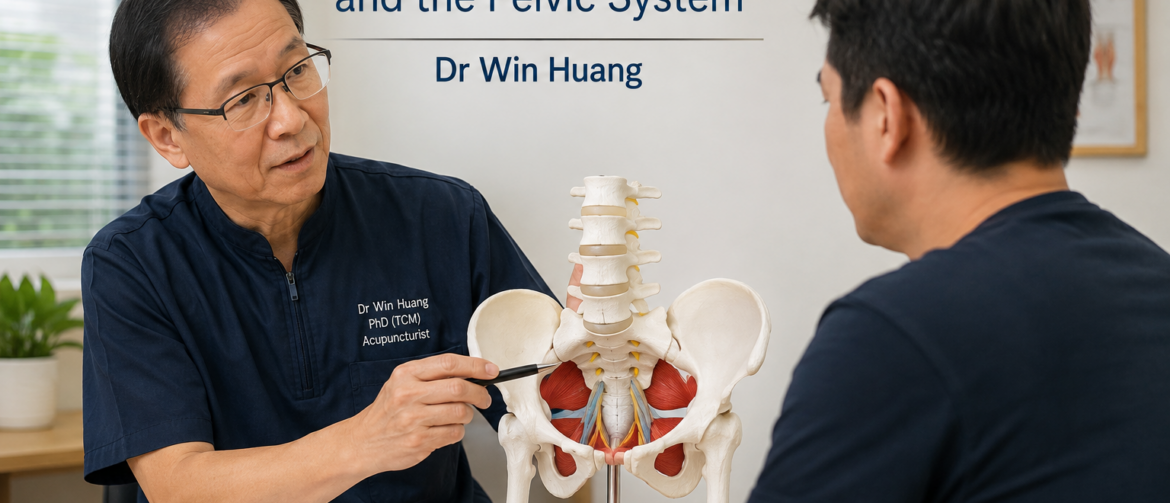
Why can urinary frequency improve with manual therapy, acupuncture, Chinese medicine or pelvic floor rehabilitation? The answer may lie in different treatments acting on different parts of the same clinical chain.
> View article


 中文微信:nzacupunctureclinic