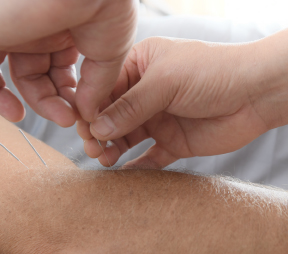
Shingles is a disease caused by the varicella-zoster virus – the same virus that causes chickenpox. After you have chickenpox, the virus stays in your body. It may not cause problems for many years. As you get older, the virus may reappear as shingles. Unlike chickenpox, you can’t catch shingles from someone who has it.
Early signs of shingles include burning or shooting pain and tingling or itching, usually on one side of the body or face. The pain can be mild to severe. Blisters then form and last from one to 14 days. If shingles appears on your face, it may affect your vision or hearing. The pain of shingles may last for weeks, months or even years after the blisters have healed.
There is no cure for shingles. Early treatment with medicines that fight the virus may help. These medicines may also help prevent lingering pain. A vaccine may prevent shingles or lessen its effects. The vaccine is for people 60 or over.
Postherpetic neuralgia
Postherpetic neuralgia is pain in the area where a shingles infection once occurred. The pain may last for months or years.
Causes
Postherpetic neuralgia occurs when the nerves have been damaged after an outbreak of shingles. Shingles is caused by the varicella zoster virus, the same virus that causes chickenpox.
Postherpetic neuralgia is more likely to occur in people over age 60.
Symptoms
The main symptom is pain in the area where shingles once occurred. The pain can range from mild to very severe. It lasts for months, sometimes years, after the original shingles infection.
Treatment
Anticonvulsant drugs, usually used for seizures, may help with the pain of damaged nerves. Gabapentin and pregabalin are the ones most commonly used to treat postherpetic neuralgia.
Skin patches with lidocaine (a numbing medicine) may also be prescribed to relieve some of the pain for a period of time.
Pain medications are often needed. Sometimes acetaminophen or NSAIDs such as ibuprofen are enough. Many patients will need stronger, prescription drugs such as codeine, hydrocodone, oxycodone.
Drugs used to treat depression (antidepressants) may also help reduce pain, as well as help with sleep.
Electrical nerve stimulators may be used for severe, long-term cases of postherpetic neuralgia.
Consultation with a pain specialist may be necessary in some cases.
i treated by acupuncture and cupping a patient who had shingles for three months,blinsters on back and chest(right side) disappeared in two weeks ,then the pain on right back and chest still is severe,taking painkiller,no useful,can not sleeping at night, because of the Postherpetic neuralgia .
i use acupuncture and cupping,after three treatments,he feels very well,pain relief lots,sleeping is good,need not painkiller before going to bed.see the photo druing cupping.

see the photo bleeding in cup after cupping.

see the photo about the patient skin after shingles.

i have done acupuncture for 21 yrs, i got doctoral degree in acupuncture in Chinese university in 1995,and i had acupuncture work experience of big hospital in China,and i have the chinese medicine clinic in Newmarket Auckland NZ from 2003,so if you would like choose a acupuncturist to fix your problem,please come to my clnic ,you will have a excellent choice.
If you would like to make an appointment please call us on (09) 5296185, or if you require more information you may e-mail us at hwenchuan@sina.com
Neuralgia
Neuralgia is pain that follows the path of a nerve.
Causes
Causes of neuralgia include:
• Certain drugs
• Chemical irritation
• diabetes
• Infections,such as shingles.
• Pressure on nerves by nearby structures (for instance, tumors)
• Swelling and irritation (inflammation)
• Trauma (including surgery)
In many cases, the cause is unknown.
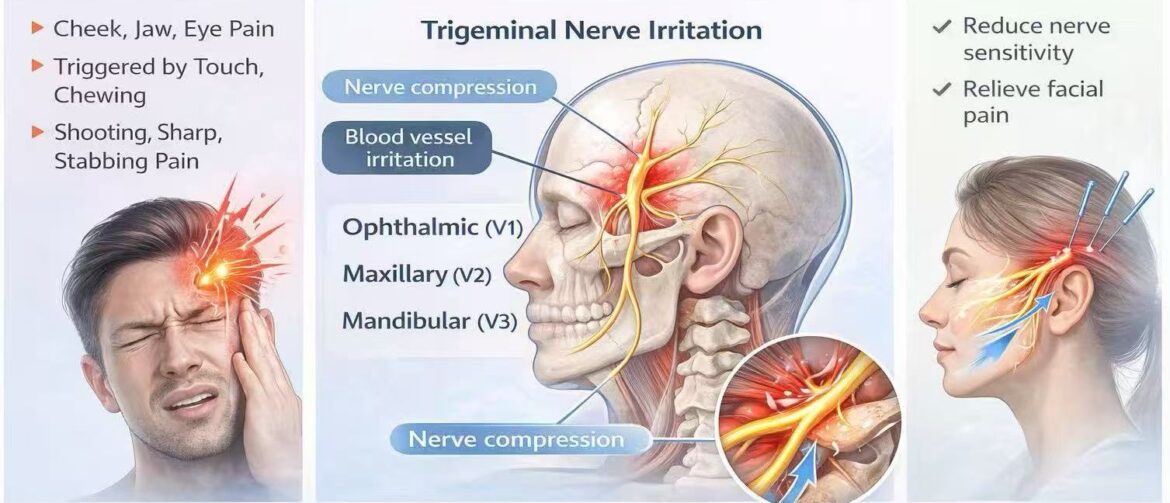
Trigeminal neuralgia is the most common form of neuralgia. A related but uncommon neuralgia affects the glossopharyngeal nerve, which provides feeling to the throat.
Neuralgia is most common in elderly people, but it may occur at any age.
Symptoms
• Impaired function of affected body part due to pain, or muscle weakness due to motor nerve damage
• Increased sensitivity of the skin or numbness of the affected skin area (feeling similar to a local anesthetic, such as a Novocaine shot)
• Pain along the path of a specific nerve
• Pain located anywhere, usually on or near the surface of the body
o In the same location for each episode
o Sharp, stabbing pain that comes and goes (intermittent) or constant, burning pain
Any touch or pressure is felt as pain. Movement may also be painful.
Exams and Tests
An exam may show:
• Abnormal sensation in the skin
• Loss of deep tendon reflexes
• Loss of muscle mass
• Lack of sweating (sweating is controlled by nerves)
• Tenderness along a nerve, often in the lower face and jaw and rarely in the temple and forehead
• Trigger points (areas where even a slight touch triggers pain)
A dental examination can rule out dental disorders that may cause facial pain (such as a tooth abscess). Other symptoms (such as redness or swelling) may help rule out conditions such as infections, bone fractures, or rheumatoid arthritis.
There are no specific tests for neuralgia, but the following tests may be done to find the cause of the pain:
• Blood tests to check blood sugar and kidney function
• Magnetic resonance imaging (MRI)
• Spinal tap (
Treatment
The goal of treatment is to reverse or control the cause of the nerve problem (if found), and provide pain relief. Treatment varies depending on the cause, location, and severity of the pain, and other factors. Even if the cause of the neuralgia is never identified, the condition may improve on its own or disappear with time.
The cause (if known) should be treated. This may include surgery to remove tumors or separate the nerve from blood vessels or other structures that press on it. This can be done for some cases of carpal tunnel syndrome and trigeminal neuralgia.
Strict control of blood sugar may speed recovery in people with diabetes who develop neuralgia.
Medications to control pain may include:
• Antidepressant medications (amitriptyline, nortriptyline, duloxitine)
• Antiseizure medications (carbamazepine, gabapentin, lamotrigine or phenytoin) for trigeminal neuralgia pain
• Mild over-the-counter analgesics (aspirin, acetaminophen, or ibuprofen)
• Narcotic analgesics (codeine) for short-term relief of severe pain (however, these do not always work well)
• Topical creams containing capsaicin
Other treatments may include:
• Local injections of pain-relieving (anesthetic) drugs
• Nerve blocks
• Surgical procedures (such as ablation using radiofrequency, heat, balloon compression, or injection of chemicals) to reduce feeling in the nerve.
Unfortunately, these procedures do not guarantee improvement and can cause loss of feeling or abnormal sensations.
When other treatment methods fail, doctors may try motor cortex stimulation (MCS). An electrode is placed over the sensory cortex of the brain and is hooked to a pulse generator under the skin.
Treating shingles with antiviral medication may reduce the likelihood of developing postherpetic neuralgia. Postherpetic neuralgia may also be treated with oral (taken by mouth) prednisone.
Physical therapy may be helpful for some types of neuralgia, especially postherpetic neuralgia.
Outlook (Prognosis)
Most neuralgias are not life-threatening and are not signs of other life-threatening disorders. However, pain can be severe. For severe pain, be sure to see a pain specialist so that you can explore all treatment options.
Most neuralgias will respond to treatment. Attacks of pain usually come and go. However, attacks may become more frequent in some patients as they get older.
Possible Complications
• Complications of surgery
• Disability caused by pain
• Side effects of medications used to control pain
• Unnecessary dental procedures before neuralgia is diagnosed
When to Contact a Medical Professional
Contact your health care provider if:
• You develop shingles
• You have symptoms of neuralgia, especially if over-the-counter pain medications do not relieve your pain
• You have severe pain (see a pain specialist)
Prevention
Treating related disorders such as diabetes and renal insufficiency may prevent some neuralgias. Strict control of blood sugar may prevent nerve damage in people with diabetes. In the case of shingles, there is some evidence that antiviral drugs can prevent neuralgia.
If you have this problem, but still have a good result after mane treatments, you can try acupuncture, maybe it can help you.
Tips for Finding an Acupuncturist
When seeking out a professional acupuncturist, it is important to ensure that the acupuncturist is licensed and certified. Sterilising procedures should be used and more often than not, your acupuncturist will likely use disposable needles. If you are uncomfortable with the idea of needles, an acupuncturist may provide alternatives such as herbal methods, magnetic needles and ear cups. These are thought to provide similar results although are not considered as effective as acupuncture that utilises needles.
Whatever path you take to treating your pain and tendinitis, you can be relieved to know that you have many options, particularly alternative ones such as acupuncture. Hopefully, you will find a qualified acupuncturist who can listen to your concerns about knee pain and begin a treatment plan that provides effective relief.
If you would like to make an appointment please call us on (09) 5296185, or if you require more information you may e-mail us at hwenchuan@sina.com
Tags: accupuncture centre center, acupuncture clinic, Auckland Acupuncture, chinese medicine, dr win clinic, licensed acupuncturist, nerve pain, Neuralgia, newmarket acupuncture, shingles, Trigeminal neuralgia