Entries tagged with “acupuncturist in auckland”.
Did you find what you wanted?
Wed 25 Aug 2010
A case of facial palsy is treated by acupuncture
By Dr Win Huang
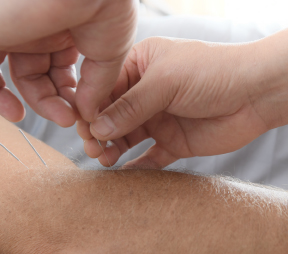
Mrs Du, 67 yrs old, have a problem of facial palsy for 2 weeks. It has been treated by acupuncture for one week,it can be seen to get the improvement gradually,I could find the movement of facial muscle(right) in first day in my clinic, but can see the big movement of muscle today,I think it will be fixed by acupuncture in next one week. see the photo of acupuncture today in 25/08/10

i have done acupuncture for 21 yrs, i got doctoral degree in acupuncture in Chinese university in 1995,and i had acupuncture work experience of big hospital in China,and i have the chinese medicine clinic in Newmarket Auckland NZ from 2003,so if you would like choose a acupuncturist to fix your problem,please come to my clnic ,you will have a excellent choice.
If you would like to make an appointment please call us on (09) 5296185, or if you require more information you may e-mail us at hwenchuan@sina.com
Tags: accupuncture centre center, acupuncture auckland, acupuncture clinic, acupuncture therapy, acupuncturist in auckland, can not close eye, facial nerve problem, facial palsy, facial paralysis, licensed acupuncturist, newmarket acupuncture, no facial movement, paralysis, X accupuncture centre center X acupuncture auckland X acupuncture clinic X acupuncture therapy X acupuncturist in auckland X newmarket acupuncture X licensed acupuncturist X paralysis X facial palsy X
Thu 25 Mar 2010
Posted by admin under Articles
No Comments
Restless legs syndrome is a neurological disorder that affects an estimated 12 million people worldwide. According to the National Institute of Neurological Disorders and Stroke, the incidence may be somewhat higher in females and most patients with severe cases are diagnosed during middle age. Older patients tend to face more severe symptoms than younger adults and children.
Symptoms
1. The common symptoms associated with restless legs syndrome (RLS) include a strong urge to move your legs when sitting or lying down and strange leg sensations described as creeping, crawling or tugging. Involuntary leg movements and jerking often occur. People with restless legs syndrome often can achieve temporary relief from these feelings only when moving their legs or walking.
Causes
2. According to the Mayo Clinic, restless legs syndrome may be caused by several factors. Heredity is thought to be responsible for one-third of the cases, as many members of the same family are often affected. Other possible causes include pregnancy, menopause and other hormonal changes. Iron deficiency has been observed in many patients with the condition and there is a possible link between restless legs syndrome and kidney failure. Stress is a factor in both the development of the condition and the exacerbation of symptoms.
Acupuncture
3. Originating in China, acupuncture has been used to treat medical conditions and physical ailments for thousands of years. The principal theory states that acupuncture can release trapped energy within the body–energy that is responsible for creating disease–by inserting needles along the meridian points to balance vital energy. Sessions generally last between 20 and 30 minutes. Depending on the ailment being treated, you may need anywhere from six to 12 sessions.
Acupuncture for RLS
4. Acupuncture is especially successful in treating stress-related disorders. By releasing tension and unblocking stagnant energy, acupuncture induces relaxation and an overall feeling of calm. Traditional Chinese medicine claims that RLS is caused by an energy blockage in the lower legs. By moving the legs, the stagnant energy becomes temporarily unblocked, calming symptoms. Acupuncturists claim they can relieve RLS symptoms by releasing the stagnant energy trapped along the lower leg meridian.
Considerations
5. More research needs to be conducted to determine the effects of acupuncture on restless legs syndrome. There is no known cure for RLS. If you suffer from this condition, you should focus on improving your overall health and eliminating stress from your life. Acupuncture may be a useful tool for reducing stress and promoting relaxation and wellness.
Tips for Finding an Acupuncturist
When seeking out a professional acupuncturist, it is important to ensure that the acupuncturist is licensed and certified. Sterilising procedures should be used and more often than not, your acupuncturist will likely use disposable needles. If you are uncomfortable with the idea of needles, an acupuncturist may provide alternatives such as herbal methods, magnetic needles and ear cups. These are thought to provide similar results although are not considered as effective as acupuncture that utilises needles.
Whatever path you take to treating your pain and tendinitis, you can be relieved to know that you have many options, particularly alternative ones such as acupuncture. Hopefully, you will find a qualified acupuncturist who can listen to your concerns about knee pain and begin a treatment plan that provides effective relief.
If you would like to make an appointment please call us on (09) 5296185, or if you require more information you may e-mail us at hwenchuan@sina.com
Tags: acupuncture auckland, acupuncture clinic, acupuncturist in auckland, acupuncturists, crawling, creeping, Herbal remedies, licensed acupuncturist, neurological disorder, newmarket acupuncture, Restless legs syndrome, RLS
Tue 2 Mar 2010
Posted by admin under Articles
No Comments
Achilles tendinitis

Achilles tendinitis is inflammation, irritation, and swelling of the Achilles tendon (the tendon that connects the muscles of the calf to the heel).
Causes
There are two large muscles in the calf: the gastrocnemius and the soleus. These muscles generate the power for pushing off with the foot or going up on the toes. The large Achilles tendon connects these muscles to the heel.
These are important muscles for walking. This tendon can become inflamed, most commonly as a result of overuse or arthritis, although inflammation can also be associated with trauma and infection.
Tendinitis due to overuse is most common in younger individuals and can occur in walkers, runners, or other athletes, especially in sports like basketball that involve jumping. Jumping places a large amount of stress on the Achilles tendon.
Tendinitis from arthritis is more common in the middle-aged and elderly population.
Symptoms
Symptoms usually include pain in the heel when walking or running. The tendon is usually painful to touch and the skin over the tendon may be swollen and warm.
Exams and Tests
The doctor will perform a physical exam and look for tenderness along the tendon and for pain in the area of the tendon when you stand on your toes.
Imaging studies can also be helpful. X-rays can help diagnose arthritis, and an MRI will show inflammation in the tendon.
Treatment
Treatment usually involves:
* Ice
* Nonsteroidal anti-inflammatory drugs (NSAIDs), such as aspirin and ibuprofen
* Rest
* Physical therapy
*acupuncture

You should limit any activities that make the symptoms worse.
Occasionally, a cast, brace, or boot may be used to keep the heel still and allow the swelling to go down.
If these treatments fail to improve symptoms, surgery may be needed to remove inflamed tissue and abnormal areas of the tendon.
Tips for Finding an Acupuncturist
When seeking out a professional acupuncturist, it is important to ensure that the acupuncturist is licensed and certified. Sterilising procedures should be used and more often than not, your acupuncturist will likely use disposable needles. If you are uncomfortable with the idea of needles, an acupuncturist may provide alternatives such as herbal methods, magnetic needles and ear cups. These are thought to provide similar results although are not considered as effective as acupuncture that utilises needles.
Whatever path you take to treating your pain and tendinitis, you can be relieved to know that you have many options, particularly alternative ones such as acupuncture. Hopefully, you will find a qualified acupuncturist who can listen to your concerns about knee pain and begin a treatment plan that provides effective relief.
If you would like to make an appointment please call us on (09) 5296185, or if you require more information you may e-mail us at hwenchuan@sina.com
Sat 20 Feb 2010
Posted by admin under Articles
No Comments
5 Steps to a Healthy Heart with Acupuncture
Newsletter JulyFebruary is the American Heart Association’s Heart Health Awareness Month, emphasizing the dangers of heart disease and the importance of heart health.
Heart disease includes conditions affecting the heart, such as coronary heart disease, heart attacks, congestive heart failure, and congenital heart disease. Despite dramatic medical advances over the past fifty years, heart disease remains a leading cause of death globally and the number one cause of death in the United States.
By integrating acupuncture and Oriental medicine into your heart healthy lifestyle, you can dramatically reduce your risk of heart disease.
Taking small steps to improve your health can reduce your risk for heart disease by as much as eighty percent. Steps to prevention include managing high blood pressure, quitting smoking, maintaining a healthy weight, reducing stress and improved sleep – all of which can be helped with acupuncture.
1. Manage High Blood Pressure
High blood pressure makes the heart work harder, increasing its oxygen demands and contributing to angina. This excessive pressure can lead to an enlarged heart (cardiomegaly), as well as damage to blood vessels in the kidneys and brain. It increases the risk of heart attacks, stroke and kidney disease.
Acupuncture has been found to be particularly helpful in lowering blood pressure. By applying acupuncture needles at specific sites along the wrist, inside the forearm or in the leg, researchers at the Susan Samueli Center for Integrative Medicine at the University of California, Irvine, were able to stimulate the release of opioids, which decreases the heart’s activity and thus its need for oxygen. This, in turn, lowers blood pressure.
2. Quit Smoking
Most people associate cigarette smoking with breathing problems and lung cancer. But did you know that smoking is also a major cause of coronary artery disease? In fact, about twenty percent of all deaths from heart disease are directly related to cigarette smoking.
Acupuncture has shown to be an effective treatment for smoking. Acupuncture treatments for smoking cessation focus on jitters, cravings, irritability, and restlessness; symptoms that people commonly complain about when they quit. It also aids in relaxation and detoxification.
3. Maintain a Healthy Weight
Obesity is associated with diabetes, high blood pressure and coronary artery disease, all of which increase the risk of developing heart disease, but studies have shown that excess body weight itself (and not just the associated medical conditions) can also lead to heart failure. Even if you are entirely healthy otherwise, being overweight still places you at a greater risk of developing heart failure.
Acupuncture and Oriental Medicine are an excellent adjunctive tool when it comes to losing weight. They can help to energize the body, maximize the absorption of nutrients, regulate elimination, control overeating, suppress the appetite, and reduce anxiety.
4. Reduce Stress
Stress is a normal part of life. But if left unmanaged, stress can lead to emotional, psychological, and even physical problems, including heart disease, high blood pressure, chest pains, or irregular heart beats. Medical researchers aren’t sure exactly how stress increases the risk of heart disease. Stress itself might be a risk factor, or it could be that high levels of stress make other risk factors worse. For example, if you are under stress, your blood pressure goes up, you may overeat, you may exercise less, and you may be more likely to smoke.
Numerous studies have demonstrated the substantial benefits of acupuncture in the treatment of stress, anxiety and mental health. In addition to acupuncture, Oriental medicine offers a whole gamut of tools and techniques that can be integrated into your life to keep stress in check. These tools include Tui Na, Qi Gong exercises, herbal medicine, dietary therapy, meditations and acupressure that you can administer at home.
5. Improve Sleep
Poor sleep has been linked with high blood pressure, atherosclerosis, heart failure, heart attacks, stroke, diabetes, and obesity. Researchers have shown that getting at least eight hours of sleep is needed for good heart health and getting less than eight hours of sleep can put you at a greater risk for developing heart disease.
Acupuncture has shown great success treating a wide array of sleep problems without any of the side effects of prescription or over-the-counter sleep aids. The acupuncture treatments for problems sleeping focus on the root disharmony within the body that is causing the insomnia. Therefore, those who use acupuncture for insomnia achieve not only better sleep, but also an overall improvement of physical and mental health.
Visit your acupuncturist during Heart Health Awareness Month to see how acupuncture and Oriental medicine can assist you with your heart health and help you to live a long, healthy life.
Tips for Finding an Acupuncturist
When seeking out a professional acupuncturist, it is important to ensure that the acupuncturist is licensed and certified. Sterilising procedures should be used and more often than not, your acupuncturist will likely use disposable needles. If you are uncomfortable with the idea of needles, an acupuncturist may provide alternatives such as herbal methods, magnetic needles and ear cups. These are thought to provide similar results although are not considered as effective as acupuncture that utilises needles.
Whatever path you take to treating your problem, you can be relieved to know that you have many options, particularly alternative ones such as acupuncture. Hopefully, you will find a qualified acupuncturist who can listen to your concerns about the problem and begin a treatment plan that provides effective relief.
If you would like to make an appointment please call us on (09) 5296185, or if you require more information you may e-mail us at hwenchuan@sina.com
Tags: acupuncture auckland, acupuncture clinic, acupuncture therapy, acupuncturist in auckland, Chinese Herbs, healthy heart, heart disease, heart problem, high blood pressure, improve sleep, lost weight, newmarket acupuncture, quit smoking, reduce stress, X healthy heart X heart disease X heart problem X high blood pressure X quit smoking X lost weight X reduce stress X improve sleep X acupuncture auckland X acupuncturist in auckland X Chinese Herbs X
Thu 4 Feb 2010
Posted by admin under Testimonials
1 Comment
My problem and my feeling after Chinese medicine treatments
By Stephen McIntyre

Jan 27(2010)
Feeling very tired, sore in stomach, passing many small stools(approx.6—7 times/day),no appetite but get sudden feeling of intense hunger.
(first day of treatment, receive little acupuncture, begin taking herbs)
feeling good immediately after treatment, appetite has returned but after arriving home and eating I feel very sore in stomach again.
Jan 28:
Morning : feeling very sore in stomach, dizzy, lightheaded.
Afternoon: improving.
Evening: feeling Ok. sleep well. No night sweats.
Jan 29: wake up feeling very good. This continues all day. Appetite good, stools good, stomach feels normal, digestion is good . I have more energy.
Jan 30: still a little sore in lower bowels in morning before passing stool but OK apart from that, Generally feeling very good.
Feb 1: Finish herbs this morning. Feeling very high energy all day (almost manic).
Feb 2: feel slight symptoms in morning (empty, hollow feeling in stomach after eating).Get more herbs and acupuncture
Feb 3: feeling good in stomach, stools slight soft and runny, feeling slighty tired, sleeping well.
Feb 4: slighty liquid stools feel unsettled in stomach. Have a acupuncture in Dr Win Clinic.