Once clinicians form an initial diagnosis, it is natural to notice evidence that supports it. But some of the most valuable clinical clues are the findings that do not fit. A shoulder pain case prompted Dr Win Huang to reflect on diagnostic closure, contradictory evidence and the importance of challenging our own clinical framework.
> View article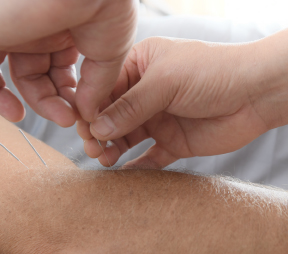
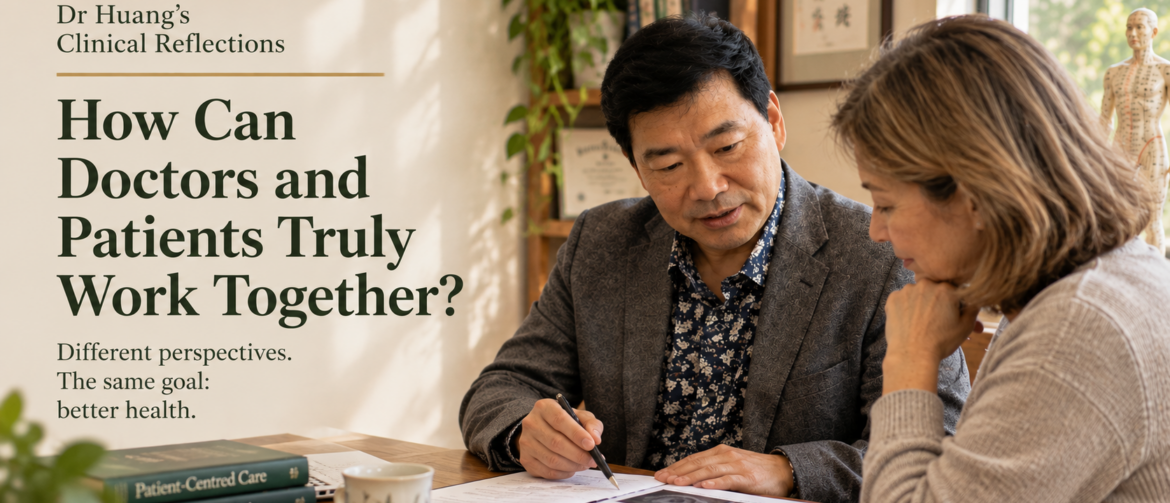
Doctors and patients ultimately want the same thing: improvement. But they may understand disease, recovery, testing and treatment very differently. Good clinical care requires both professional integrity and meaningful patient participation.
> View article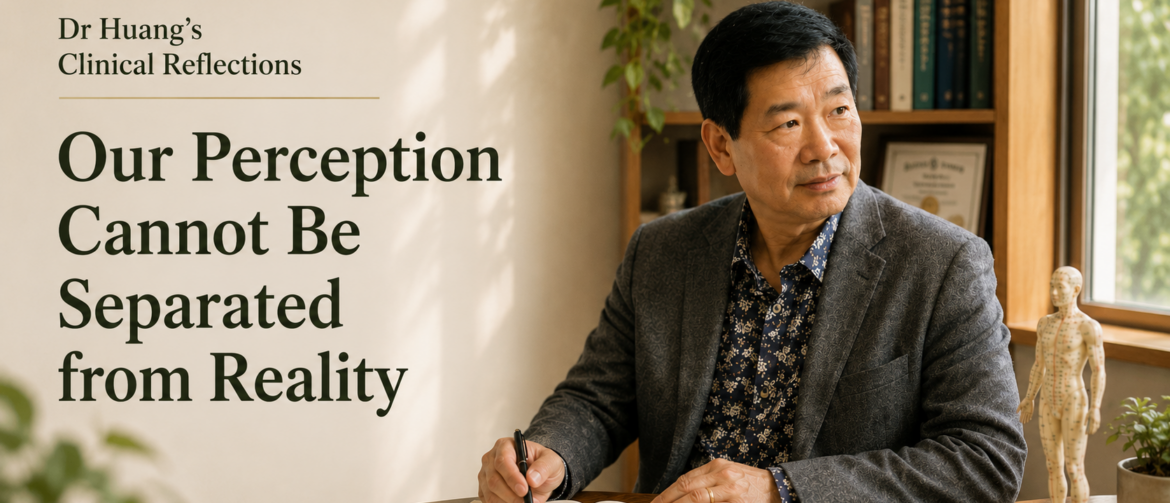
Mental strength matters, but believing that we are healthy, young or physically ready does not make it biologically true. Dr Win Huang reflects on why our understanding of ourselves must remain grounded in the realities of illness, ageing and development.
> View article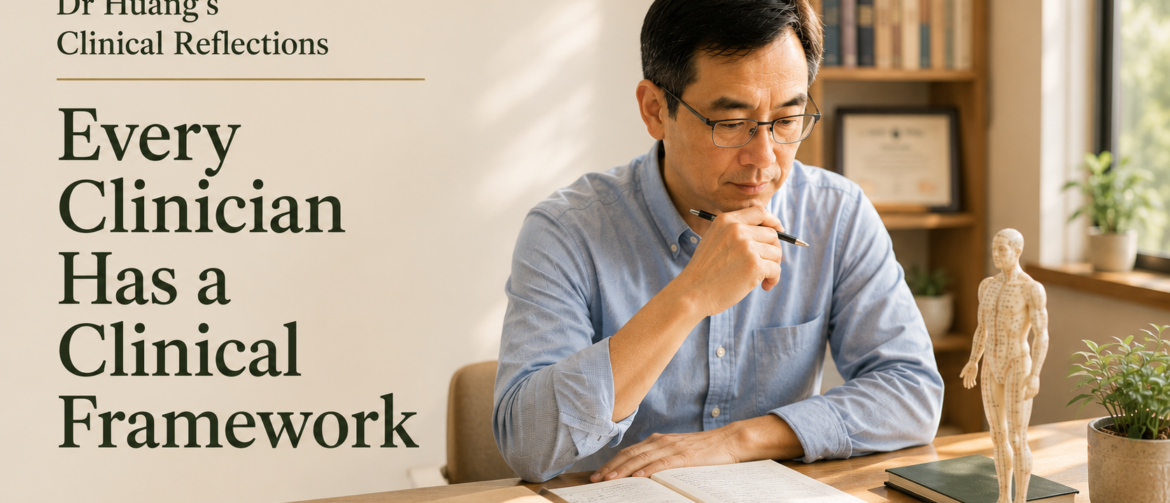
After years of independent practice, almost every clinician develops a personal clinical framework. The challenge for an experienced doctor is not simply to build that framework, but to recognise its limitations and remain open to evidence outside it.
> View article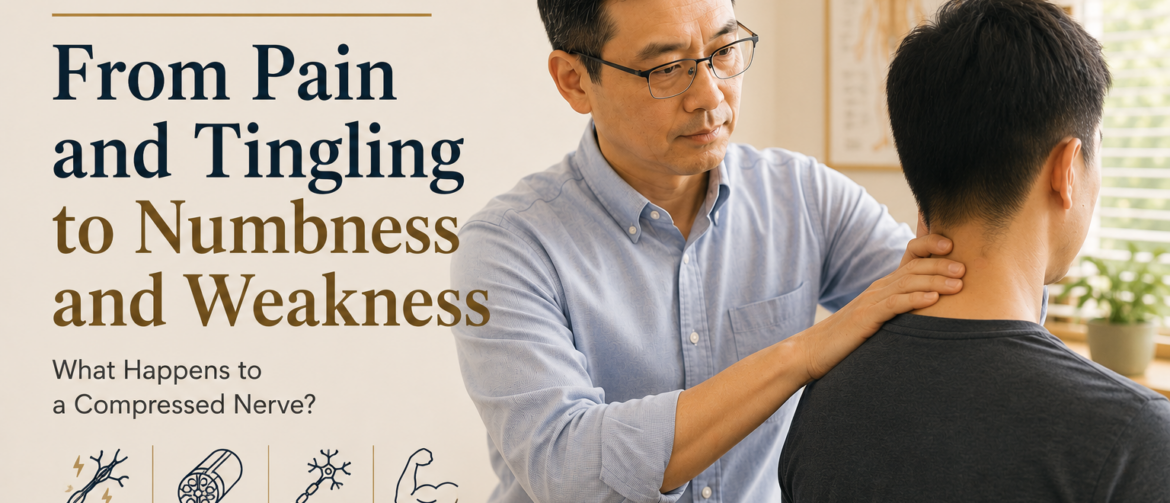
A healthy peripheral nerve is designed to move and adapt as the body moves. When its mechanical environment changes, symptoms may progress from pain and tingling to persistent numbness, sensory loss and weakness. These symptoms can provide important clues about nerve irritation and impairment.
> View article
We often say that good health means following the body’s natural rhythms. But what does that actually mean? Dr Win Huang reflects on homeostasis, recovery, compensation and physiological reserve—and why the consequences of insufficient recovery may only become apparent years later.
> View article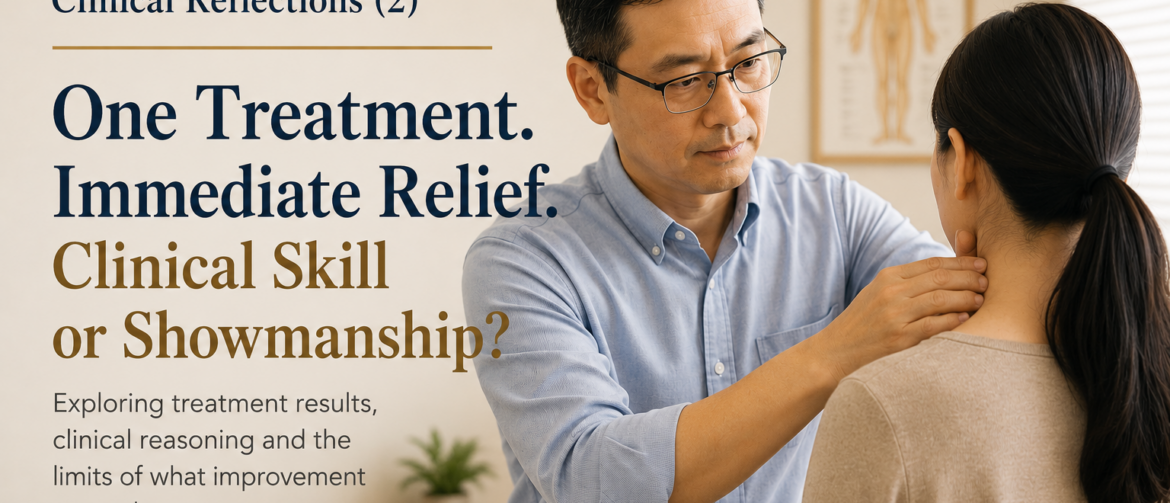
When pain disappears after one treatment, the result may be genuine—but what does it actually prove? Dr Win Huang reflects on immediate treatment responses, clinical reasoning and why doctors must distinguish real outcomes from explanations that go beyond the evidence.
> View article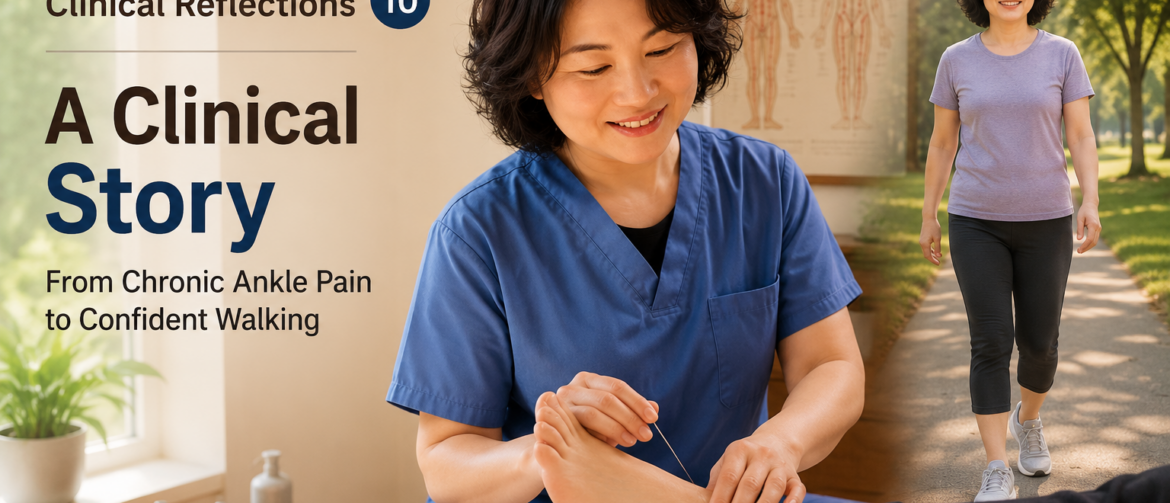
Many people expect an ankle sprain to heal naturally within a few weeks. However, in my clinic, I often see patients whose pain, swelling or repeated ankle sprains continue long after the original injury.
Over the years, treating these patients has taught me that successful recovery begins with careful assessment. It is not only about relieving pain—it is about understanding why
> View article
Hip pain is not always treated the same way. In this Clinical Reflection, Teresa Shen explains how she combines acupuncture with movement, moxibustion, cupping, and individualised Traditional Chinese Medicine assessment to support patients with hip pain.
> View article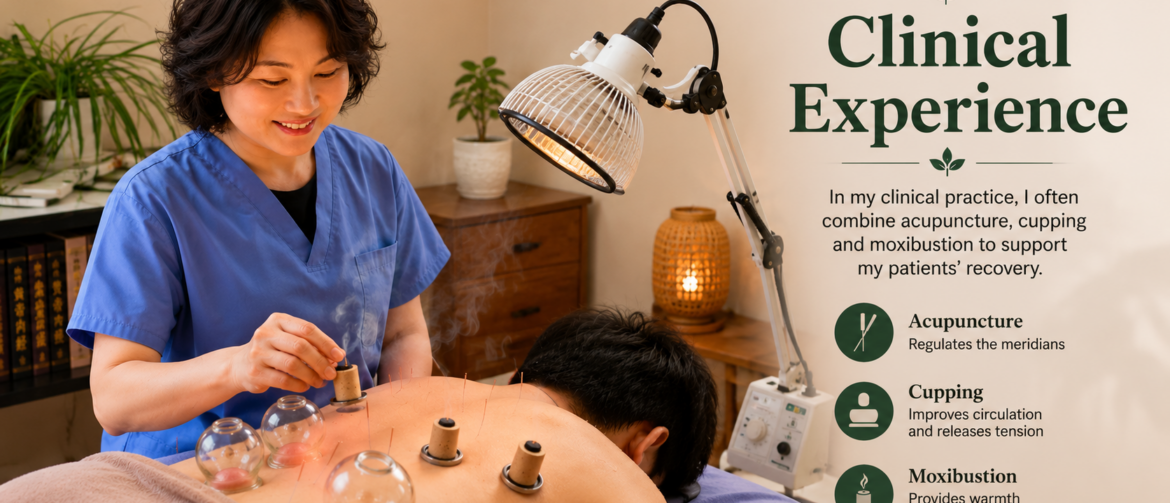
Moxibustion is a traditional warming therapy often used together with acupuncture in Traditional Chinese Medicine. In this reflection, Teresa Shen shares why she frequently combines acupuncture, cupping, and moxibustion in clinical practice, and how many patients describe feeling warmer, calmer, more relaxed, and more comfortable during treatment.
> View article


 中文微信:nzacupunctureclinic