A case of shoulders pain, arms numbness and headache was treated by acupuncture
By Dr Win Huang
Ms Parker 35 yrs old, she has shoulders pain for several months. The shoulders pain on right side is worse than on left side. she went to see her doctor who suggested her to take anti-inflammation pills, but still pain on shoulder. Gradually she feels numbness on both arms, specially when she wake up in the morning . she went see specialist who thinks that she suffered from bursitis 滑囊炎,so suggested her to do operation for shoulders pain. She did want to do operation, so come to see me to try acupuncture. apart from shoulders pain ,she feels throat dry, fatigue, bad sleeping, headache and low energy.
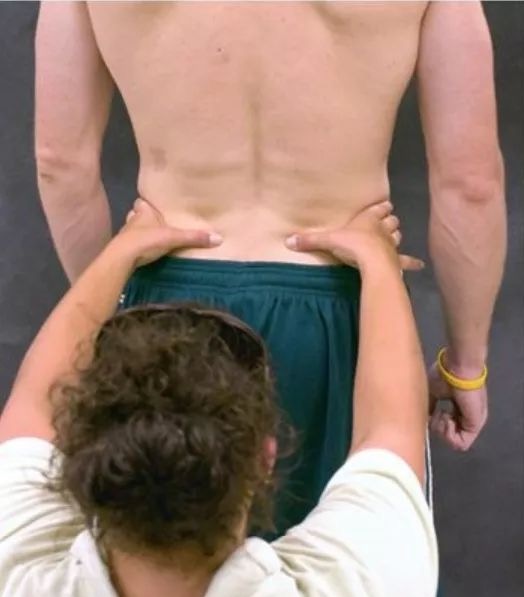
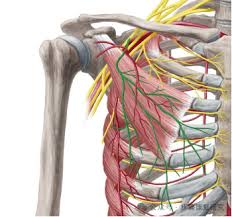
I gave her examination, found that pressing pain and muscle spasm around right shoulder blade and on shoulder blade 肩胛骨, specially the muscle on shoulder blade. So I think that her symptom, such as shoulder pain, arm numbness due to muscle spasm on shoulder blade and throat dry, fatigue, low energy, bad sleeping, headache due to the muscle spasm around shoulder blade. So lose the muscle spasm on up back and shoulder, then the symptom will be gone. The bursitis which specialist gave her may an incorrect diagnosis诊断
She felt much better after two sessions, sleeping is good, no headache, pain on shoulders relieving lots. She felt very well, after six sessions, no throat dry, no fatigue, more energy , no numbness on both arms, little pain on shoulder, and more pain on shoulder after hard exercise or heavy lifting . she felt very well, after 14 sessions acupuncture, no numbness on arms, no headache, no fatigue, more energy, sleeping very well, only little bite pain on right shoulder after hard exercise.
We can know in the clinic that some patients feel tired, fatigue, low energy, headache, bad sleeping, arm numbness, shoulder pain, the reason is the muscle spasm around shoulder blade and on shoulder blade. It is good effect to be treated by acupuncture for these patients.
If you would like to make an appointment please call us on (09) 5296185, or if you require more information you may e-mail us at hwenchuan@sina.com
Dizziness
URL of this page: http://www.nlm.nih.gov/medlineplus/ency/article/003093.htm
Dizziness is light-headedness, feeling like you might faint, being unsteady, loss of balance, or vertigo (a feeling that you or the room is spinning or moving).
Most causes of dizziness are not serious and either quickly get better on their own or are easily treated.
Causes
Light-headedness happens when there is not enough blood getting to the brain. This can happen if there is a sudden drop in your BLOOD PRESSURE or you are dehydrated from vomiting, diarrhea, fever, or other causes. Many people, especially as they get older, experience light-headedness if they get up too quickly from a lying or seated position. Light-headedness often accompanies the FLU, HYPOGLYCEMIA ,COMMON COLD, or allergies.
More serious conditions that can lead to light-headedness include heart problems (such as abnormal heart rhythm or HEART ATTACK), STROKE, and severe drop in blood pressure . If any of these serious disorders is present, you will usually have additional symptoms like chest pain, a feeling of a racing heart, loss of speech, change in vision, or other symptoms.
The most common causes of vertigo are benign positional vertigo and labyrinthitis.BENIGN POSITIONAL VERTIGO is vertigo that happens when you change the position of your head. LABYRINTHITIS usually follows a cold or flu and is caused by a viral infection of the inner ear.MENIERE’S DISEASE is another common inner ear problem. It causes vertigo, loss of balance, and ringing in the ears.
Much less commonly, vertigo or feeling unsteady is a sign of stroke, multiple sclerosis, seizures, a brain tumor, or a bleed in your brain. In such conditions, other symptoms usually accompany the vertigo or imbalance.
Home Care
If you tend to get light-headed when you stand up, avoid sudden changes in posture.
If you are thirsty or light-headed, drink fluids. If you are unable to keep fluids down from nausea or vomiting, you may need intravenous fluids. These are delivered to you at the hospital.
Most times, benign positional vertigo and labyrinthitis go away on their own within a few weeks. During attacks of vertigo from any cause, try to rest and lie still. Avoid sudden changes in your position as well as bright lights. Be cautious about driving or using machinery.
Some vertigo can be reduced by working with a physical therapist. Medications from your doctor may help you feel better.
Such medications include antihistamines, sedatives, or pills for nausea. For Meniere’s disease, surgery may be necessary.
When to Contact a Medical Professional
Call 911 or go to an emergency room if someone with dizziness also has:
- A head injury
- Fever over 101°F, headache, or very stiff neck
- Convulsions or ongoing vomiting
- Chest pain, heart palpitations, shortness of breath, weakness, inability to move an arm or leg, or change in vision or speech
- Fainting and losing consciousness for more than a few minutes
Call your doctor if:
- You have never had dizziness before.
- Symptoms you have had in the past are different (for example, last longer than usual, are worse than before, or are interfering with your daily activities).
- Medication is the suspected cause. Talk to your health care provider before making any changes to your medication.
- You have any hearing loss.
What to Expect at Your Office Visit
Your doctor will perform a physical exam, focusing on your heart, head, ears, and nervous system, and ask question such as:
- Does your dizziness feel like light-headedness, vertigo, or imbalance?
- Does your dizziness occur with a change in body position?
- What other symptoms occur when you feel dizzy?
- When did your dizziness begin?
- Are you always dizzy or does the dizziness come and go?
- How long does the dizziness last (minutes, hours)?
- Did another illness develop before or after the dizziness began? How much later?
- Have you had any NAUSEA AND WOMOTING?
- Do you have a significant amount of stress or anxiety?
Diagnostic tests that may be performed include:
. BLOOD PRESSURE measurements and tests
- ECG
- Hearing tests
- Neurological tests
- Balance testing may be required
- MRI
Prevention
Promptly treat ear infections, colds, flu, sinus congestion, and other respiratory infections. This may help prevent labyrinthitis and Meniere’s disease.
If you have a cold, the flu, or other viral illness, drink plenty of fluids to prevent getting dehydrated.
Alternative Names
Light-headedness – dizzy; Loss of balance; Vertigo
i have done acupuncture for 21 yrs, i got doctoral degree in acupuncture in Chinese university in 1995,and i had acupuncture work experience of big hospital in China,i am a mumber of NZASA( newzealand acupuncture standards authority inc),i am a ACC provider,and i have the chinese medicine clinic in Newmarket Auckland NZ from 2003,so if you would like choose a acupuncturist to fix your problem,please come to my clnic ,you will have a excellent choice.
If you would like to make an appointment please call us on (09) 5296185, or if you require more information you may e-mail us at hwenchuan@sina.com
How to choose an Acupuncturist
The very best recommendation of who to go to for treatment will likely come from another health practitioner, a friend or a family member. Other things to consider when choosing your practitioner are;
- Is the practitioner a member of a professional body such as NZASA? (this informs you that the practitioner has met the education requirements of the organisation and is bound by their Rules and Code of Ethics.)
- Was the practitioner happy to engage with you when you enquired about making an appointment?
- Did the practitioner readily explain the cost of treatment and the different options available for payment? (the cost of any herbal prescription is usually in addition to the consultation fee)
Once you have attended your first consultation;
- Was it easy to establish good rapport with the practitioner?
- Did you feel that the practitioner clearly explained the diagnosis and treatment of your condition?
- Was the practitioner considerate toward you during the treatment – did they listen to feedback and adjust their technique if it was too uncomfortable for you?
- Were the surroundings clean and comfortable? Were you warm enough?
In order to improve your health and wellbeing, you and your practitioner need to work as a partnership. Chinese medicine does not simply treat symptoms, but addresses all aspects of a person’s life, and you may well be asked to consider diet and lifestyle changes to address the imbalances that the practitioner observes. Whilst the practitioner can choose the appropriate acupuncture points and prescribe the best herbal formula for you to take, it is up to you to make the changes in your life that will help greatly on your path to good health. Working together will ensure the best possible outcome.
i have done acupuncture for 21 yrs, i got doctoral degree in acupuncture in Chinese university in 1995,and i had acupuncture work experience of big hospital in China,i am a mumber of NZASA( newzealand acupuncture standards authority inc),i am a ACC provider,and i have the chinese medicine clinic in Newmarket Auckland NZ from 2003,so if you would like choose a acupuncturist to fix your problem,please come to my clnic ,you will have a excellent choice.
If you would like to make an appointment please call us on (09) 5296185, or if you require more information you may e-mail us at hwenchuan@sina.com
Tags: ACC, acc provider, acupuncture degree, acupuncture health practitioner, acupuncturist, Auckland, auckland acupuncturist, dr win huang, health practitioner, mumber of nzasa, new zealand
My clinical experience of treating shoulder pain
By Dr Win Huang
Shoulder pain is a common problem right now, it is only symptom, Shoulder pain involves any pain in or around the shoulder joint. The shoulder is the most mobile joint in the human body. The rotator cuff in the shoulder is made up of four tendons. These tendons give the shoulder a wide range of motion. the tendons pass underneath a rigid bony arch in the shoulder. The most common cause of shoulder pain is when the tendons become trapped under this arch. The compressed tendons become inflamed or damaged. (more…)
Tags: Acupuncture, acupuncture clinic, Auckland, Auckland Acupuncture, 奥克兰, 中医, Chinese Herbs, cupping, dr win clinic, 针灸, massage, neck pain, new zealand, newmarket acupuncture, shoulder pain, 新西兰