Archive for December, 2011

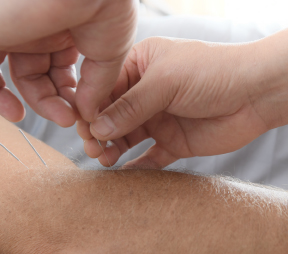
Treatment of Neurological Disorders with Acupuncture
By: Acufinder Staff Writer
A neurological disorder refers to a problem with the nervous system, which is a complex, sophisticated system that regulates and coordinates the body’s activities. Nerve pain can arise from trauma, inflammation, stroke, disease, infection, nerve degeneration, exposure to toxic chemicals, and nutrient deficiencies.

Nerve pain is usually a sharp shooting pain or a constant burning sensation. Typically occurring in the same location with each episode, it can often be traced along the nerve pathway. Sometimes weakness or impaired function in the affected area occurs and the skin may be either overly sensitive or numb.

Some common neurological disorders acupuncture treats include:

Peripheral Neuropathy – damage to the peripheral nervous system, which transmits information from the brain and spinal cord to every other part of the body. Neuropathy caused by diabetes often affects the feet.

Trigeminal Neuralgia – facial pain, sometimes called Tic Douloureux, affects the trigeminal nerve which is responsible for impulses of touch, pain, pressure and temperature sent to the brain from the face, jaw, and gums.

Carpal Tunnel Syndrome – also known as median nerve entrapment, it occurs when swelling or irritation of the nerve or tendons in the carpal tunnel results in pressure on the median nerve.

Headaches – Headaches that can be treated with acupuncture include migraines, tension headaches, headaches occurring around the menstrual cycle, sinus headaches and stress-related headaches.

Acupuncture and Oriental medicine have been found effective as a conjunctive therapy for neurological disorders and in treating pain and inflammation. Find an acupuncturist near you to learn more about how acupuncture and Oriental medicine can be integrated into your neurological health plan!

Weekly note 7

It is nearly the end of our semester now,we are closely reviewing back about what we had learned in the last two months. Before that,we gotta to finish six meridian syndrome differentiation, which is one of the method that is applicable to the disease caused by exogenous pathogens.

It is created by Zhang Zhongjing,a physician who lived in Eastern Han dynasty. Basing on his experience and the Chinese medicine classic books,he summarized exogenous contracted disease into six groups of diseases,namely,they are taiyang disease syndrome ,yangming disease syndrome ,shaoyang disease syndrome ,taiyin disease syndrome,shaoyin disease syndrome and yueyin disease syndrome. The first three syndrome changes are relied on the change of six fu organs whereas the last three syndrome disease is due to the change of five zang disorders.

The taiyang meridian dominants the superficial part of human body and works as the security guard against the exogenous pathogens,depending on different body constitution, taiyang disease syndrome can be further divided into two kind of manifestations: taiyang stroke syndrome and taiyang coldness attacking syndrome.

The first type is caused by the invasion of wind attacking the body,restricting the lungs’ dispersing and descending function thus clinically it manifests as aversion to cold,fever,sweating and thick phlegm,stiff neck and floating and moderate pulse. The second type is aroused by the cold evil blocking the defensive qi and causing the muscle spasms, rigidity of neck or joint, no sweating,aversion to cold,floating pulse.

Yangming disease is an interior excessive heat syndrome in febrile disease. Its two different kinds of condition are yangming meridian syndrome and yangming fu syndrome.

One condition in yangming disease is caused by excessive heat in the yangming meridian. Clinically it shows as profuse sweating,extremely thirsty,big and surging pulse and high fever together with irritability and restless and flushed face and so on. Another condition is due to the heat accumulation in the intestine and stomach. It happens when afternoon fever and sweating in the hand and feet,abdominal pain and distension,worsen when pressing,constipation and irritability,red tongue with yellow and dry tongue coating,deep and forceful pulse are shown up.

Shaoyang disease syndrome is very typical and obviously to make diagnosis in clinic. It is triggered by the sitzkrieg between healthy qi and exogenous pathogens,resulting in half interior and half exterior syndrome.

Clinically manifestation are alternate chill and fever without fixed time and fullness in the chest,distension feeling in hypochondriac region,bitter taste with dry throat,poor appetite,irritable,vomiting or vertigo together with wiry pulse.

According to classic books in Chinese medicine history, three yang channels’ diseases are regarded as exterior disease whereas the three yin channels disease are worse than those which are considered as interior disease.

Taiyin diseases is due to a syndrome caused by spleen deficiency with excessive dampness in the course of an externally contracted disease. As we can see,the body disorders may manifest spleen dysfunctional and dampness retention symptoms. Clinically it appears the fullness in the abdomen,no appetite or vomit, diarrhea,pain feeling in the abdomen,no thirst and pale tongue with white and greasy coating.

Shaoyin disease is aroused by hypofunction of heart and kidney, in Chinese medicine,heart pertains to fire while the kidney belongs to water,therefore,this syndrome can be subdivided into two different conditions due to which aspect is predominant.

Shaoyin cold syndrome is triggered by cold invading the interior leading to dysfunction of heart and kidney. It may show up as intolerance to cold,mental tiredness and sleepy all the time,diarrhea with undigested food,vomit with anorexia, or vomit after food intake. Together with deep and thin or faint pulse,pale tongue with white tongue coating.

Shaoyin heat syndrome happens when hyperactivity of fire from yin deficiency and extreme yang. The deficient heat consumes the yin fluid yin shaoyin channel causing disharmony of heart and kidney. It may show up restlessness,insomnia, dry mouth and throat,red tongue with scanty coating.thin and deep pulse.

Jueyin syndrome is characterized by the confrontation of yin and yang and interlocking of cold and heat.persistant thirst appears when liver and pericardium fails to distribute yang qi,warm feeling in the upper body while the lower part is cold,pain and heat sensation in the chest,heat lingers above the diaphragm and liver qi restrains the spleen resulting in poor appetite and hungry.red tongue with scanty coating and feeling something is going upwards.

Weekly note 6

Kidney in Chinese medicine is regarded as the congenital organ for human being. Depending on it, human life is becoming possible to generate and reproduce then. So does the western medicine opinion,i still remembered my western medicine teacher once told us that kidneys are the vital organs comparing with other organs, although we have different medical opinions, honestly,we share some similar views and treatment method to certain diseases surprisingly.

We believe that kidney provides the original source of yin and yang,in other words,kidney is the combination of yin and yang,which is different from other organs, it governs essence and storage and life fate fire. The kidney also controls water,brain, borrow and bone. Frequently seen symptoms in clinic are dizziness,tinnitus,sore back and weak knee,reproductive dysfunction,hair colour change and loose teeth. Same to other organ,kidney has a paired relation with urinary bladder,it stores and discharges urine.

Kidney yang deficiency syndrome is clinically seen quite a lot, it can be concluded by cold limbs,dizziness and tinnitus,sometimes feel deaf,edema in lower part of body,profuse urine and clear in quality,frequent night urination,chronic diarrhea with undigested food coming out,if attacking heart may lead to palpitation and shortness of breath,enlarged pale tongue with teeth-mark,reproductive disease such as infertility due to cold within uterus and impotence,low sexual desire.

Kidney yin deficiency syndrome is marked by night sweating,heat sensation in five centers,dizziness and tinnitus,insomnia and dreamful sleep,sore back and weak knee,tidal fever and emaciation,frequent erection of penis,scanty menstruation or anemorrhea,dry mouth with dry throat,metrostaxis or metrorrhagia. It can be caused by insufficiency od innate endowment,over-sexual activity and overeating warm or dry herbs.

Kidney essence insufficiency syndrome is closely related to reproductive function of both female and male.it refers to the symptoms such as retardation of growth,delayed fusion of fontanel bone in infant,clumsy movement compared with normal people.clinically we can see loose teeth ,poor sexual function,infertility due to less sperm,tinnitus or deafness,amnesia and feet atrophy symptoms and so on.

Kidney qi insecurity syndrome is due to insufficient kidney function from the deficient qi in aged people or over sexual activity or kidney qi deficiency in a chronic disease. It can lead to pale complexion,lassitude,decreased auditory function,weakness of the lower back and knee.increased urination frequency or continuous urine dribbling after urination,miscarriage, thin and clear leukorrhea.

Bladder damp-heat syndrome refers to the syndrome that is caused poor qi transformation by damp-heat accumulation in the bladder or improper diet,overeating of spicy food,endogenous damp-heat generated inside the body flowing downward to the bladder. It can arouse frequent urination,hot sensation after discharge of urine,fullness in the abdomen,urgency urination,fever and lower back pain, red tongue with yellow greasy coating and rapid pulse.